Introduction
Dysphagia, a condition identified by difficulty swallowing, positions substantial difficulties for both people and doctor. As the aging population boosts and chronic problems become much more widespread, recognizing dysphagia is crucial. It can bring about serious difficulties such as poor nutrition, dehydration, and desire pneumonia if not taken care of appropriately. This write-up checks out How Dysphagia Care Training Can Change Your Approach to Person Support, providing insights into training programs readily available for numerous medical care experts. By the end of this detailed guide, you'll comprehend how customized dysphagia training can enhance client treatment and support.
What is Dysphagia?
Dysphagia describes difficulty in swallowing that can occur at any kind of stage of the swallowing procedure: dental, pharyngeal, dysphagia training techniques or esophageal.
Types of Dysphagia
Oropharyngeal Dysphagia: Problem starting ingesting as a result of problems in the mouth or throat. Esophageal Dysphagia: Difficulty swallowing because of problems in the esophagus.Understanding these types is essential for effective treatment.
Causes of Dysphagia
- Neurological problems (e.g., stroke, Parkinson's disease) Structural abnormalities (e.g., growths) Inflammation or scarring from problems like GERD
Symptoms of Dysphagia
Common signs consist of:
- Coughing or choking while eating Feeling food embeded the throat Unexplained weight loss
Recognizing these symptoms early can dramatically boost individual outcomes.
The Value of Dysphagia Training for Carers
Why Carers Need Specialized Training
Carers play an important duty in supporting people with dysphagia. With correct training, they can identify indications early and execute strategies that promote safe eating and drinking.
Key Components of Dysphagia Training for Carers
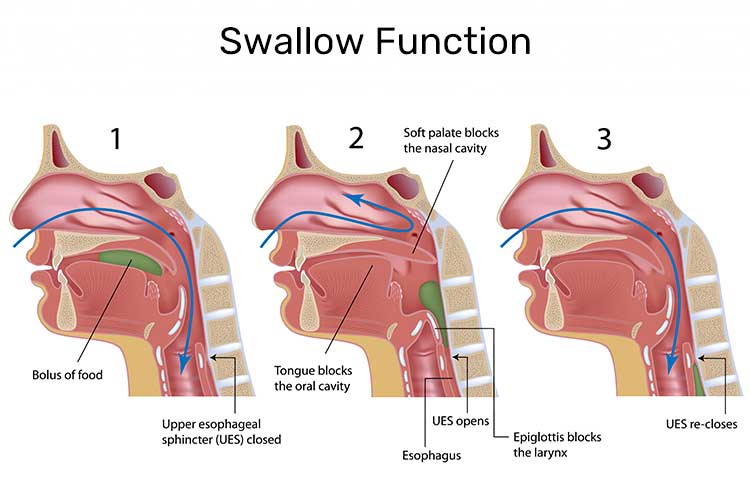
- Understanding the anatomy of swallowing Identifying various appearances appropriate for patients Techniques for safer feeding practices
With this understanding, carers come to be equipped to supply much better support.
Dysphagia Training for Treatment Personnel: A Necessity
Who Needs to Undertake Training?
All treatment staff associated with client support need to go through dysphagia training courses. This consists of registered nurses, physical therapists, and dietary personnel who engage with clients daily.
Benefits of Specialized Training for Treatment Staff
Enhanced person safety Improved interaction amongst group members Greater self-confidence in managing intricate casesTraining furnishes team with tools needed to develop an encouraging environment.
How Dysphagia Care Training Can Change Your Strategy to Person Support
By investing in dysphagia care training, doctor can change their strategy in numerous ways:
Empowerment Through Education
Education allows caretakers to approach dysphagic patients with confidence instead of fear.
Improved Client Outcomes
Studies have revealed that facilities applying detailed dysphagia training see fewer events of ambition pneumonia and boosted dietary condition amongst patients.
Building Team Cohesion
When all employee share an usual understanding of dysphagia management, it promotes partnership and improves overall client care.
Understanding Various Sorts of Dysphagia Training Courses
Not all training programs are produced equivalent; it's essential to choose one that aligns with your needs:
|Course Kind|Audience|Duration|Focus Locations|| ----------------------------|-----------------------|------------------|----------------------------------|| Basic Dysphagia Course|New carers|1 day|Basics of dysphagia|| Advanced Dysphagia Course|Nurses & & Therapists|2 days|Professional analysis strategies|| On-line Dysphagia Course|Versatile students|Self-paced|Concept & & practical application|

Selecting the right training course is important for obtaining pertinent knowledge.
The Function of Nurses in Taking Care Of People with Dysphagia
Nurses are usually on the cutting edge relating to person treatment:
Assessment Abilities Needed by Nurses
Nurses have to be skilled at analyzing symptoms and determining which individuals may go to danger for dysphasia.
Implementing Treatment Plans
Once determined, nurses work carefully with speech therapists and dietitians to produce tailored treatment plans that attend to specific needs effectively.
Adapting Diet regimens for Patients with Dysphasia: The Significance of Structure Modification
One important aspect covered in dysphagia training courses is how to customize food appearances:
Texture Degrees Explained
Understanding structure levels-- such as pureed or minced diet plans-- assists make sure secure usage while promoting appropriate nutrition.
Practical Tips for Appearance Modification
- Using thickeners appropriately Avoiding specific foods completely (like nuts or seeds)
These changes are important in protecting against choking hazards.

Communication Strategies When Supporting People with Dysphasia
Effective interaction plays an essential function in assisting those with swallowing difficulties:
Techniques for Clear Communication
Using basic language and visual help can considerably boost understanding during mealtimes.
Encouraging Open Dialogue
Creating a setting where patients feel comfortable expressing their worries urges far better conformity with dietary modifications.
Benefits of Using Innovation in Dysphasia Management
Technology has reinvented lots of facets of health care distribution:
Assistive Instruments Available
From apps that track food intake to smart cooking area devices that prepare ideal dishes-- innovation makes handling dysplasia simpler than ever before before!
Telehealth Opportunities
Telehealth enables professionals to consult experts from another location when complicated situations arise without needing in person visits constantly.
This flexibility boosts access significantly!
FAQs Regarding Dysphasia Treatment Training
Q1: What does a normal dyslexia training program cover?
A regular course covers anatomy related especially to ingesting functions in addition to functional assessments required when functioning straight with afflicted people - concentrating heavily on safety precautions throughout each lesson learned!
Q2: That need to take a dyslexia training course?
Any individual included straight within caregiving roles including registered nurses physical therapists dietary team would certainly benefit greatly from this targeted education!
Q3: How much time does it typically take full one such program?
Training durations differ based upon depth wanted however typically vary anywhere from one day introductory sessions up through several weeks progressed researches depending upon experience degree sought after!
Q4: Exist on-line options available?
Yes! Lots of institutions currently provide self-paced on the internet training courses ideal enhancements if scheduling problems arise stopping typical classroom participation opportunities!
Q5: Is proceeding education and learning required after preliminary accreditation completion?
Absolutely! Normal updates make certain abilities remain current together with developing finest methods within area itself guaranteeing optimum patient results attained constantly over time!
Q6: What resources exist post-completion help recurring discovering trip even more beyond initial coursework finished?
Various professional companies devote themselves towards recurring expert growth opportunities sharing newest research study findings webinars workshops broadening student's data base continually!
Conclusion
In final thought, comprehending How Dysphagia Care Training Can Change Your Approach to Patient Support is crucial not just for healthcare providers yet also for boosting the lifestyle for plenty of individuals facing this challenging condition. By investing time right into specialized programs such as dyslexia courses, caregivers acquire beneficial skills that empower them while boosting total person outcomes considerably in time! Implementing these strategies will certainly lead the way in the direction of better assistance networks developed surrounding those living everyday battles associated relevant concerns arising therein!